
Davey Lubin
Spanning five decades, I have been making my living on and around the marine waters of Alaska. I’ve worked as a biologist on foreign fishing trawlers in the Bering Sea; a commercial fisherman throughout the Gulf of Alaska and inside waters of Southeast Alaska; a botanist; natural history teacher; and as a marine charter owner/operator in the Sitka area, where I specialize in wilderness and wildlife excursions, scientific research logistics, and marine debris cleaning operations. And, I am a dyed-in-the-wool subsistence hunter, fisher, and gatherer.
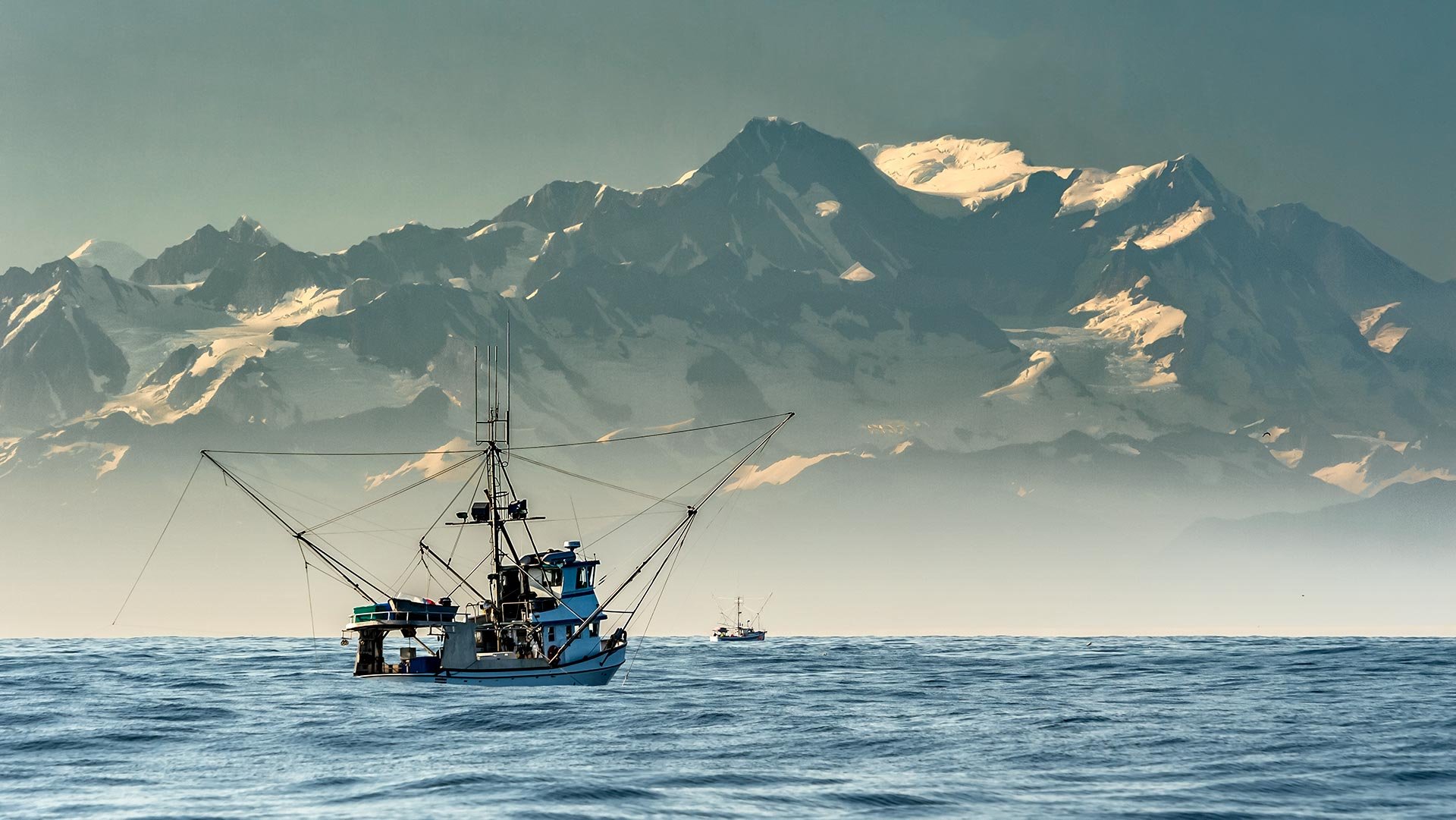
In my daily life, I am continuously reminded that Sitka Sound remains one of the rare places on Earth where a healthy marine ecosystem can still be fully experienced. Humpback whales abound and salmon fill the sea and spawn freely and plentifully in countless streams, rivers, and lakes, year after year. Sea otters drift through thriving kelp forests. Sea lions haul out in droves on rocky islands. Seabirds fatten their bodies and support their young with healthy populations of sand lance and herring. Locally harvested halibut, lingcod, and sablefish fuel the local economy and fill subsistence freezers.
These marvels and this abundance are nothing short of magnificent, and clearly, the result of decades of disciplined choices to manage our local fisheries conservatively and to protect the waters that sustain our communities.
But here's the uncomfortable truth: what we experience in Southeast Alaska is no longer the reality across much of Alaska's waters. Large-scale industrial trawling does not operate in Southeast Alaska's waters. Sitka's fishing economy is built around small boats using selective gear with carefully managed fisheries. We understand that healthy fisheries are worth more than one good season. Our livelihoods and our treasured way of life depend on there still being fish tomorrow, next year, and for years to come, into perpetuity.
Just beyond our horizon, however, federal waters of Alaska are treated very differently. Across the Gulf of Alaska and the Bering Sea, enormous factory trawlers pursue pollock and other groundfish on an industrial scale. Many are owned by companies headquartered far from Alaska. The profits may leave the state, but the ecological consequences do not. Fish don't recognize management boundaries, and neither do the impacts of industrial fishing.
What I Saw Aboard Factory Trawlers
I know this because I saw it firsthand.
Shortly after graduating from college, I worked as a foreign fishery observer aboard industrial fishing vessels. I spent time on several factory trawlers, ranging from 175’ to 400’, that processed pollock and other species either by direct catch or in full trawl nets transferred directly from American catcher boats. I watched industrial-scale harvesting unlike anything I would come to know with Alaska's small-boat fisheries. What I witnessed has stayed with me for decades.
On one particular vessel, during just two months, I documented dozens of dead sea lions and scores of king salmon, halibut, and king crab caught as bycatch — fish that originated from river systems stretching far and wide, from as far south as California to up north along the great rivers of Western Alaska. I saw fisheries that prized only certain products while treating the rest of the catch as waste. It showed me that industrial efficiency often comes at an ecological cost that coastal and river communities eventually pay for dearly and with unimaginably devastating consequences.