Seafood Energy Efficiency and Innovation
Powering Alaska Fisheries into a Sustainable Future
PROJECT OVERVIEW
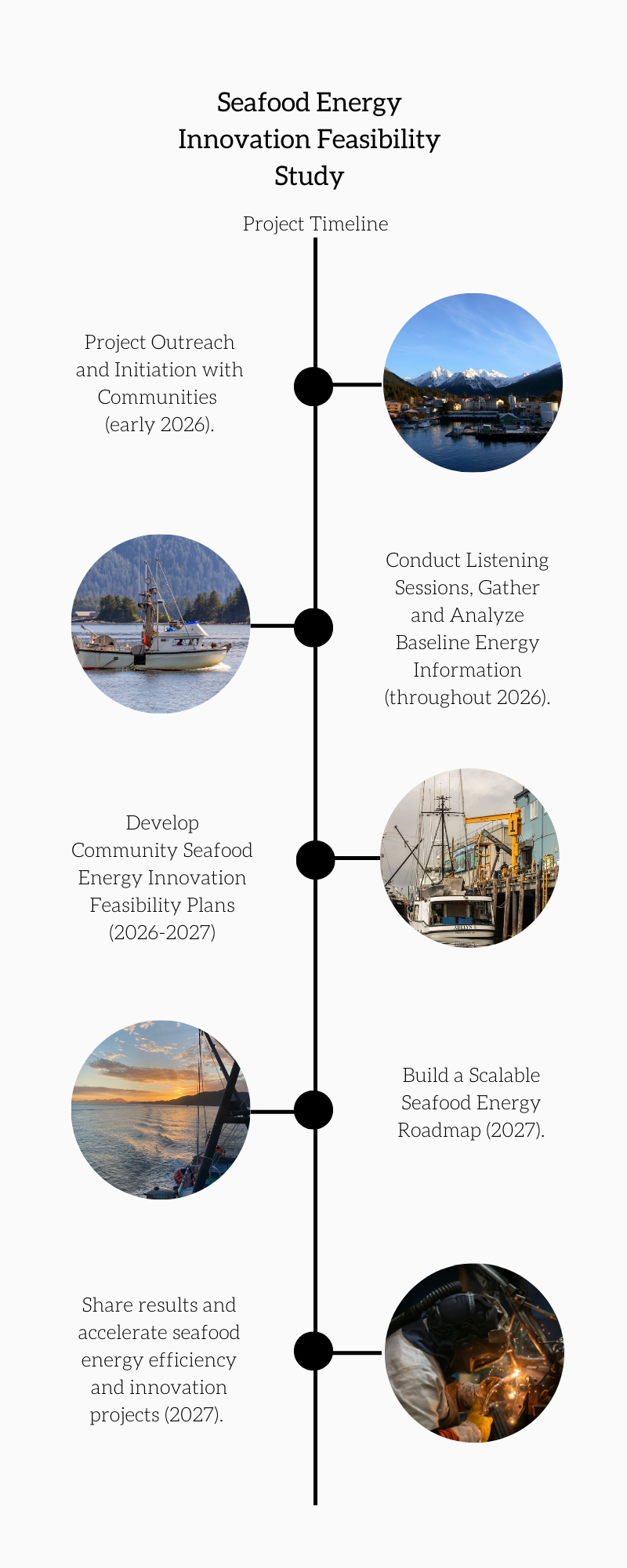
The Seafood Energy Innovation Feasibility Study is a two‑year initiative led by the Alaska Longline Fishermen’s Association (ALFA) in partnership with the Prince William Sound Science Center to accelerate energy innovation uptake and business incubation in Alaska’s fisheries. Commercial fishing is the backbone of local economies in coastal communities throughout Alaska, where rising fuel costs, regulatory complexity, ecological volatility, dockside price instability, and rapidly evolving technologies are reshaping what it takes to run a successful fishing business. Through this project, partners will work with the fishing communities of Cordova, Sitka, and Yakutat to identify practical energy‑efficiency opportunities, explore energy innovations, and develop community‑based business and energy transition plans that can be adapted across coastal Alaska. The work builds on ALFA’s long track record of energy innovation in fisheries, including hybrid-engine conversions and the development of energy-tracking tools for fishing vessels.
WHY THIS PROJECT MATTERS
Alaska’s seafood industry is the state’s largest private‑sector employer and the cornerstone of many coastal communities. Yet in the last two decades, the cost of entering and operating in Alaska’s fisheries has soared, while vessels and processors face growing expectations to cut fuel use and modernize their operations.
Many small fishing and shore‑side businesses simply do not have the time, technical capacity, or capital to evaluate new technologies, redesign their operations, or navigate complex funding programs. This project helps fill that gap. By pairing the lived experience of commercial fishermen, seafood processors, and shoreside businesses, alongside expertise in energy efficiency, business development, and emerging technology, the Seafood Energy Innovation Feasibility Study creates clear, realistic pathways for businesses to:
Reduce operating costs and fuel use
Improve safety and reliability
Prepare for future diverse energy options
Access training, capital, and technical support
What We Will Do
Engage Fishing Communities to Develop Seafood Energy Plans
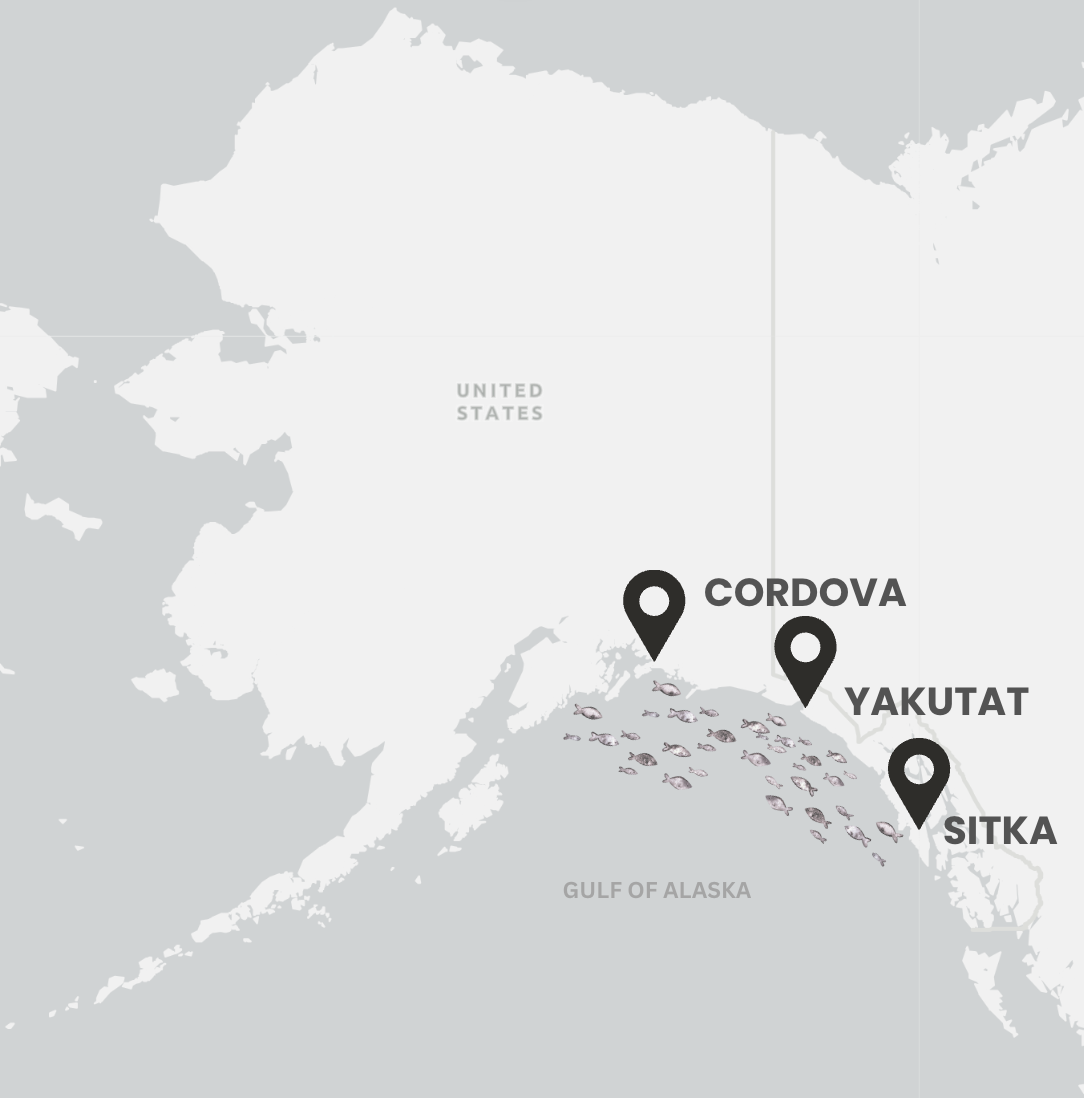
Sources: Esri, TomTom, Garmin, (c) OpenStreetMap contributors, and the GIS User Community, Sources: Esri, TomTom, Garmin, FAO, NOAA, USGS
Project partners will work directly with Cordova, Sitka, and Yakutat to gather baseline data on energy use across fishing vessels, processors, and shoreside businesses. Through outreach and workshops with fishermen, processors, marine service providers, and fishing community residents, partners will identify local needs, infrastructure strengths, and workforce capacities.
Collaborating closely with community leaders and industry stakeholders, the project will establish shared priorities for energy efficiency, technology adoption, and business growth. Using this input, partners will create community‑specific Seafood Energy Innovation Feasibility Plans, as well as a regional Energy Efficiency and Business‑Opportunity Plan for Southeast Alaska. These plans will outline near‑ and long‑term opportunities for energy savings, new technology uptake, and business incubation—linking practical steps with funding pathways and capacity‑building initiatives to support scalable, community‑driven energy innovation.
Build a Scalable Seafood Energy Strategy
Building a scalable seafood energy strategy is essential for lasting impact. Alaska’s fishing fleets, processors, and coastal communities operate in diverse environments—from small independent vessels to large commercial operations—so energy solutions must grow and adapt across different scales. Scalability ensures that innovations tested in one harbor or fleet can be replicated statewide, lowering costs through shared learning, pooled investment, and policy alignment. By designing programs and technologies that can expand efficiently, this strategy turns experimentation into transformation—accelerating energy savings, reducing emissions, and strengthening the long-term resilience of Alaska’s seafood economy.
This scalable approach will be advanced through three coordinated initiatives that link innovation, demonstration, and policy to drive a practical, system-wide energy transition across Alaska’s seafood sector:
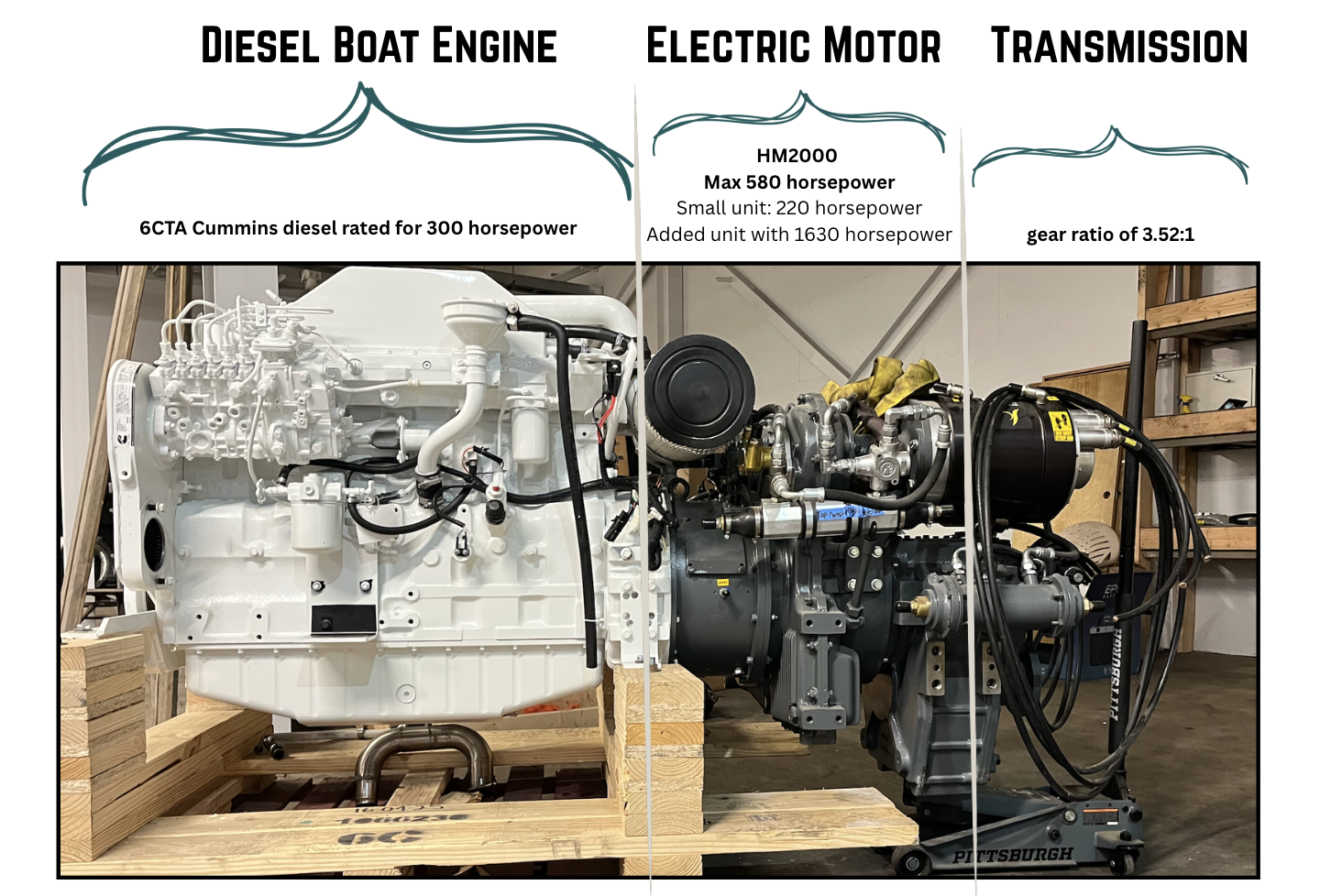
F/V Mirage now running with this hybrid diesel-electric motor
Designing a Gear Innovation & Training Center in Sitka – Creating a business plan for a hub that tests next-generation fishing gear/vessel technologies, delivers hands-on training in energy efficiency/new fuels/digital tools, and builds workforce skills for young fishermen – expanding on ALFA's proven Fisheries EXPOs.
Supporting Demonstration Projects and Funding Access – Helping vessel owners and shoreside businesses evaluate emerging technologies, and connect with financial and grant-making institutions.
Shaping Policy and Safety Standards – Delivering policy recommendations for state/federal support of energy transitions and ensuring technologies are practical, safe, and appropriate for Alaska fisheries.
This integrated roadmap connects innovation hubs, real-world pilots, funding access, and policy guidance to create scalable pathways to lower costs, cleaner operations, and resilient coastal economies.
PROJECT UPDATES
Stay informed on the latest from the project — including community workshops, energy audit findings, and energy discussions in the seafood sector. To receive regular updates, submit your name to be added to our mailing list.
WHO ARE WE?
This project is a regional and interdisciplinary collaborative effort to build pathways toward energy efficiency and innovation in the seafood industry. Meet our project team:
Project Leads
The project leads coordinate the work by setting overall direction, keeping the project on track, hosting community workshops, conducting research and energy assessments, and ultimately developing practical plans for cleaner, more efficient energy use.
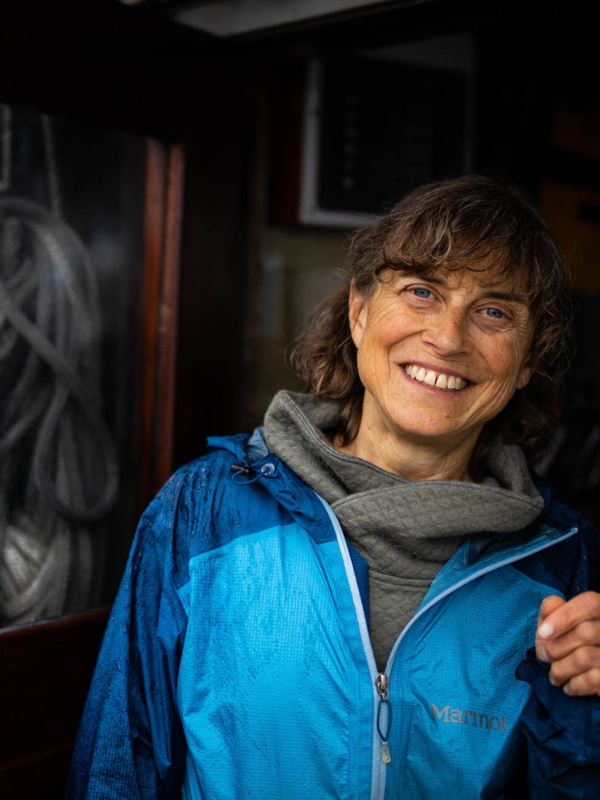
Linda Behnken
is the Executive Director of the Alaska Longline Fishermen’s Association, who has been working at the intersection of fisheries equity, access, and sustainability for over three decades in the North Pacific.

Chandler Kemp
is an assistant professor of sustainable energy for the University of Alaska Fairbanks. Kemp is an energy systems expert with broad experience in audits, efficiency modeling, and clean technology development.
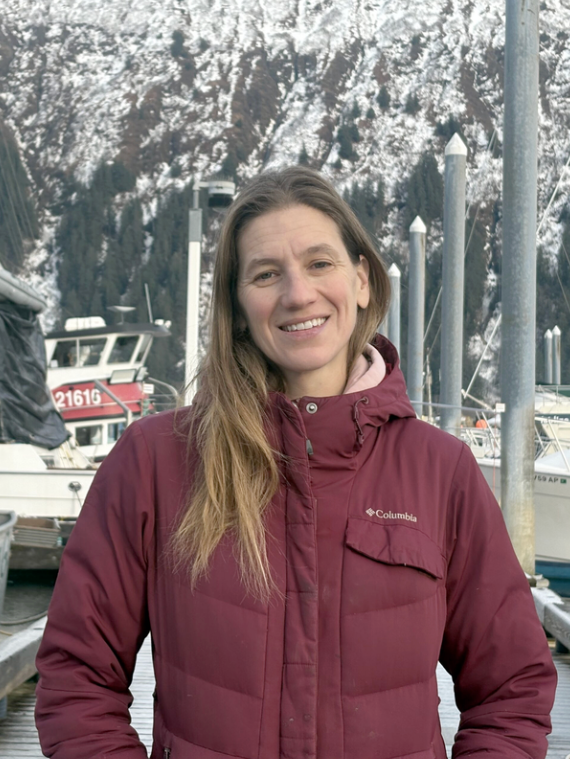
Marysia Szymkowiak, PhD
is a social scientist and the Director of Coastal Resilience at the Prince William Sound Science Center, where she leads collaborative, systems-based efforts to strengthen coastal community resilience and adaptation.
Project Steering Committee
The steering committee brings together experts from seafood processing, marine services, workforce training, energy, commercial fishing, and fisheries science to guide the project. The steering committee will help prioritize energy solutions, validate local data, address adoption barriers, and assess incentives and scalability for fleet-wide use.
Robby Bruce, F/V North Wind
Marc Carrel, F/V Silver Moon and Founder, Silver Moon Seafoods
Andy Craig, Alaska Marine Response
Tyler Dillon, Fleet Manager and Assistant Plant Manager, Camtu Wild Alaska Seafoods
Sara Ebersole, Mariculture Expansion Specialist, University of Alaska Southeast
Jim Fowler, Founder, Energy Audits of Alaska
Greg Indreland, Yakutat Seafoods
Caitlin McKinstry, Marine Biologist, Native Village of Eyak
Danny Powers, Utility Program Manager, Trident Seafoods
Arleigh Reynolds, Executive Director, Sitka Sound Science Center (SSSC)
Stephen Rhoads, VP of Sales, Seafood Producers Cooperative
Jeremy Serka, Owner, Sitka Custom Marine and Pacific Jewel Marine
Tommy Sheridan, Associate Director, UAF Alaska Blue Economy Center
Technical Support
This project is also supported through the U.S. Department of Energy's (DOE) Energy Technology Innovation Partnership Project (ETIPP) in partnership with Renewable Energy Alaska Project (REAP) and the Pacific Northwest National Laboratory. ETIPP, PNNL, and REAP are providing technical assistance for assessing energy efficiency and innovations in the seafood industry.