
Juneau Independent
March 21, 2026
By Linda Behnken and Norm Pillen
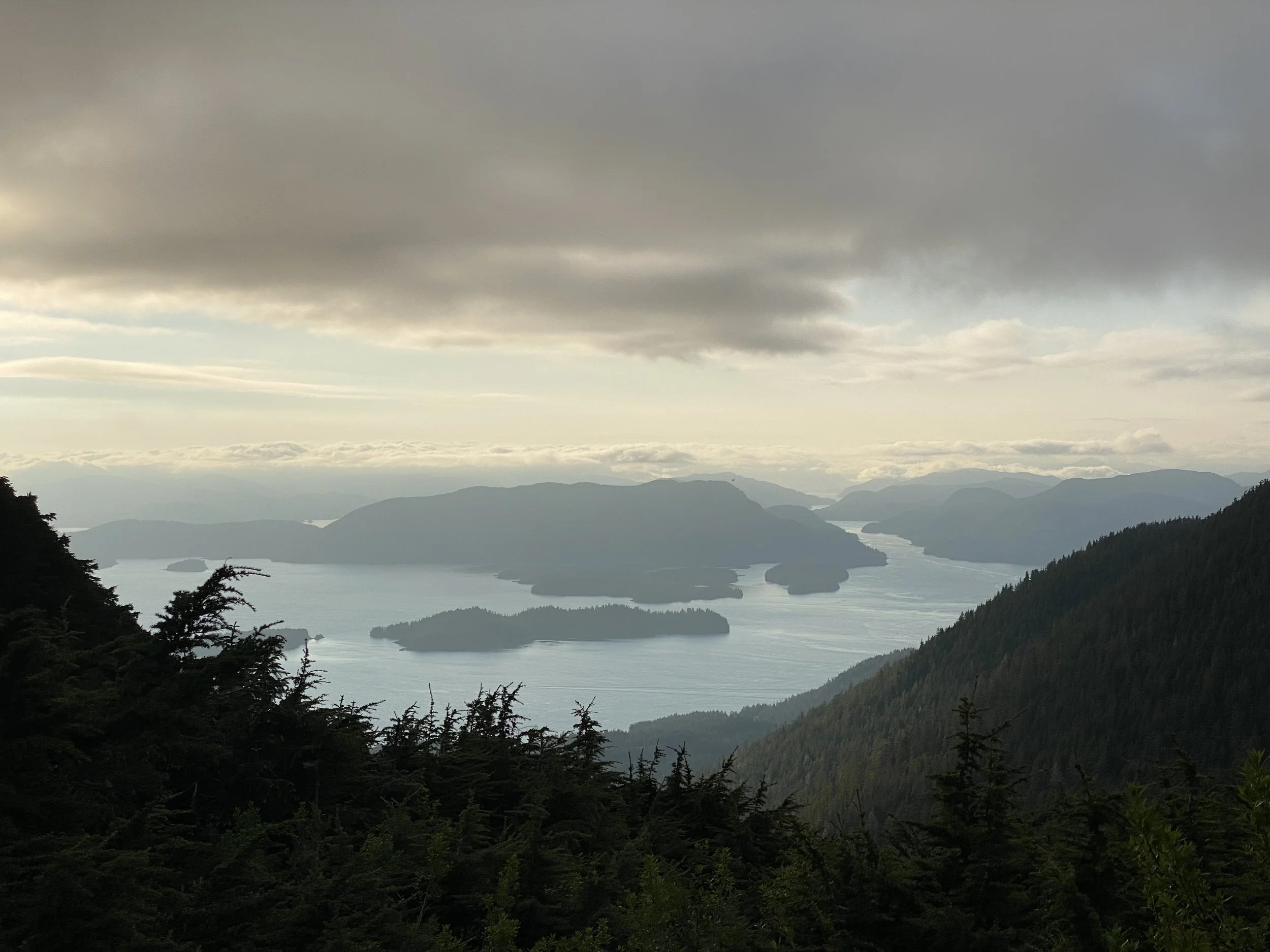
You cannot talk about Southeast Alaska’s seafood industry without also talking about the Tongass National Forest. The productivity of our region’s sustainable fisheries is heavily dependent on the health of Southeast’s forests and watersheds — the two are inseparable. That’s why it’s alarming to see no mention of Southeast’s commercial fisheries in the U.S. Forest Service’s Notice of Intent to revise its management plan for the Tongass National Forest. Given the Trump Administration’s Executive Order 14276 to restore America’s seafood competitiveness, the Forest Service should align its management of the Tongass with the Administration’s goal to promote our domestic fisheries, including an America First Seafood Strategy.
We’d like to remind state and federal policymakers that the Tongass National Forest produces some of the healthiest protein on the planet, most notably nutrient-dense, high-value wild Pacific salmon. Southeast’s seafood production supports more full-time fishery workers than any other region in Alaska besides the Bering Sea. One-third of Alaska’s fishing fleet is based in Southeast, with residents owning 2,655 fishing vessels. Commercial fishing and seafood processing are among the top employers in the Tongass, in recent years accounting for 15% of regional employment and contributing more than $800 million to Southeast Alaska’s economy. Meanwhile, the timber industry accounts for less than one percent of regional jobs and costs U.S. taxpayers $20.5 million to $33.8 million annually.