There are only days left to comment on the proposal to exempt the Tongass National Forest from the National Roadless Rule. Exempting the Tongass from the Roadless Rule would jeopardize fish habitat and fisheries.
Join us on Friday, Dec. 13th from 5:30pm-7:30pm at the ALFA/ASFT office at 304 Baranof St., Sitka, AK (by Market Center) for a letter writing and film screening event. We’ll be serving drinks, seafood chowder and homemade bread, donation recommend.
This is an Alaska Longline Fishermen’s Association (ALFA), Alaska Sustainable Fisheries Trust (ASFT), and SeaBank event. Please contact ALFA/ASFT staff at alfa.staff@gmail.com or 907-747-3400 if you have any questions. We hope to see you there!

University of Alaska Southeast’s Maritime Training Center is offering Qualified Member of the Engine Department and Maritime Multi-Skilled Worker classes in Ketchikan, AK September-December of next year (2020). Scholarships are available! Contact UAS at 907-228-4568 and 1-888-550-6177.
There will be a meeting on December 4, 2019 at 3:00pm at Harrigan Centennial Hall in Sitka, AK to discuss a new haul out facility at Gary Paxton Industrial Park.
Please attend to contribute your input and ideas.

Comments are being accepted on the application of the Roadless Rule in Alaska through December 17, 2019 on the internet at www.regulations.gov (RIN 0596-AD37) or through the project website .
Background: The Tongass was initially exempted from the 2001 National Roadless Rule for US National Forests. In 2011, a lawsuit extended the roadless protections to the Tongass. In 2018, the Governor of Alaska submitted a petition for an exemption from the roadless rule. The Forest Service (FS) has developed and analyzed 6 management alternatives that range from Alternative 1 – status quo—the only alternative that keeps the roadless rule in place--to Alternative 6--full exemption from the roadless rule on the Tongass National Forest-- and some variations between the two, none of which are meaningful in terms of protecting fish habitat. The FS has picked Alternative 6 as their preliminary preferred alternative.
The Forest Service has clarified that regardless of the outcome of this rulemaking, ANILCA and the Tongass Timber Reform Act (TTRA) as well as the current 2016 Tongass National Forest Plan will remain in effect. The TTRA is the legislation that requires stream buffers; that said, many stream buffers have proved to be inadequate, with significant loss of buffer trees during windstorms, and failed culverts currently block salmon from accessing 250 miles of historic spawning habitat. Alternative 6, the FS preferred alternative, exempts 9.2 million inventoried roadless acres from the roadless rule. This would allow the FS access to the 185,000 acres of high value timber watersheds in southern Southeast Alaska. Most of this high value timber is on Prince of Wales Island, which produces 60% of Southeast pink salmon and 72% of Southeast cohos.
One argument cited by Alaska’s delegation for eliminating the roadless rule is that the rule impedes locally important non-timber projects, such as hydro/dam construction. Notably, even with the Roadless Rule (status quo) in place, all individual project exemptions (e.g., hydropower, hatchery access, etc.) applied for were granted.
STATE OF ALASKA PETITON
ALASKA ROADLESS RULE FS PROJECT WEBSITE
PROPOSED RULE
ALASKA ROADLESS RULE STORY MAP/INTERACTIVE MAP allows a visual comparison of the alternatives
TONGASS TIMBER REFORM ACT - The legislation was aimed at safeguarding clean water and riparian habitats, protecting the old-growth of the Tongass National Forest
For additional information on the economic value of the forest, rivers and estuaries for non-timber uses, please visit the SeaBank program on the Alaska Sustainable Fisheries Trust website http://www.thealaskatrust.org/seabank-annual-report-web.
A video short and the SeaBank annual report contain a wealth of Tongass information to assist you with evaluating alternatives and drafting comments.
Please share your comments with ALFA, the Alaska congressional delegation, and the Governor.

JUNEAU, Alaska — Coast Guard Sector Juneau personnel are experiencing multiple VHF-FM radio outages throughout Southeast Alaska and may not be able to hear or respond to distress calls on channel 16.
Currently, waterways affected by Coast Guard VHF-FM radio site outages include the Gulf of Alaska between Yakutat and Sitka, Cross Sound, Peril Strait, Hoonah Sound, Southern Chatham Strait, Sumner Strait, the waters surrounding Zarembo Island and the west side of Prince of Wales Island.
All mariners transiting these waterways should remain vigilant and have another means of emergency communication such as:
Cellphone, when in range
Satellite phone
High Frequency radio communications on 4125 kHz, 6215 kHz and 8291 kHz
EPIRBs/Personal locating beacons
Satellite messengers
You can contact the Sector Juneau Command Center at 907-463-2980
In a tweet posted on Sept. 5, 2019 from Senator Lisa Murkowski’s Twitter account (@lisamurkowski) she announced, “Unfortunately we have to cancel today’s Mobile Office in Sitka due to flight cancellations. While my staff would have loved to be there in person, just a reminder on one way Alaskans can connect with my office — by reaching out via my website here: murkowski.senate.gov/contact.”

Learn the do’s and don’ts of deterring Steller sea lions in Alaska - by NOAA

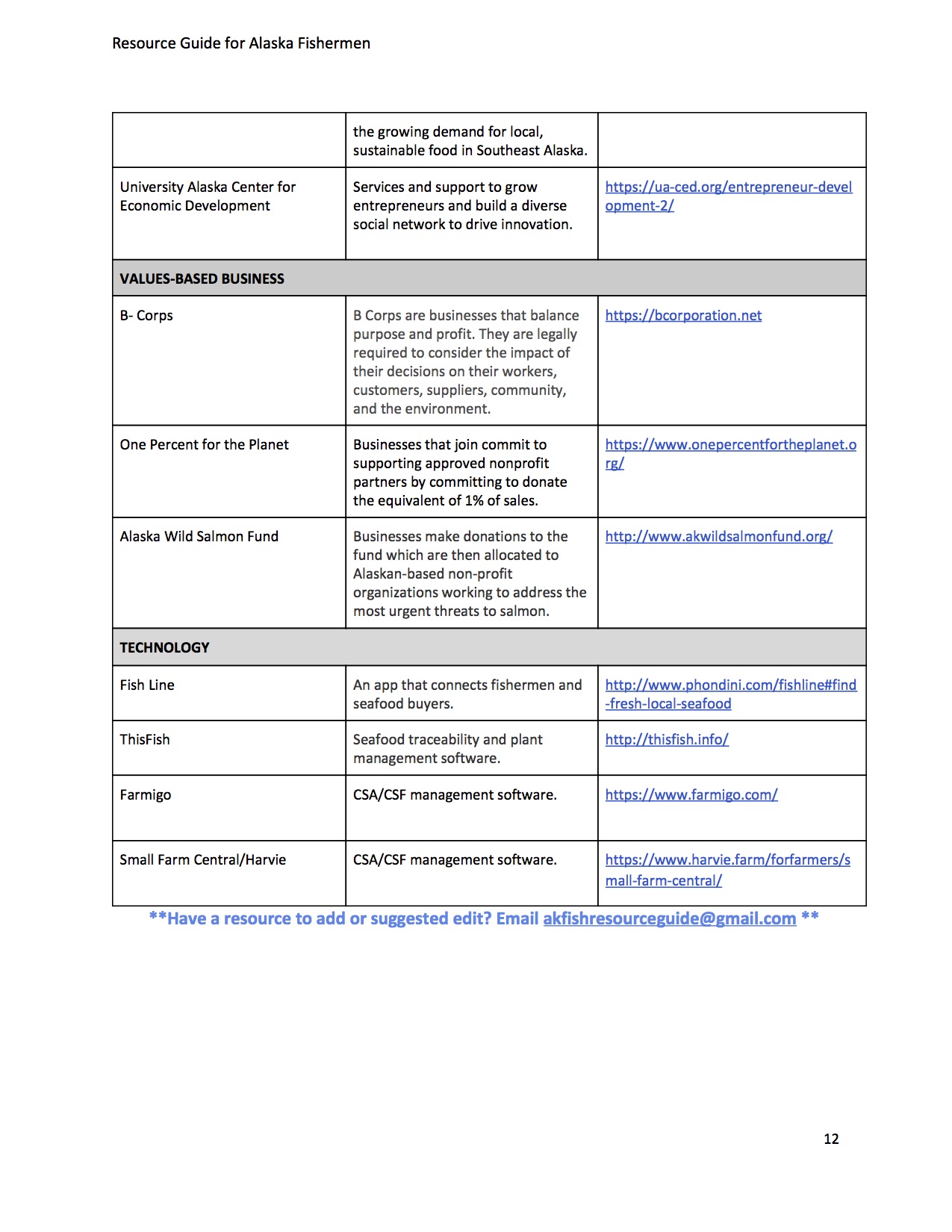
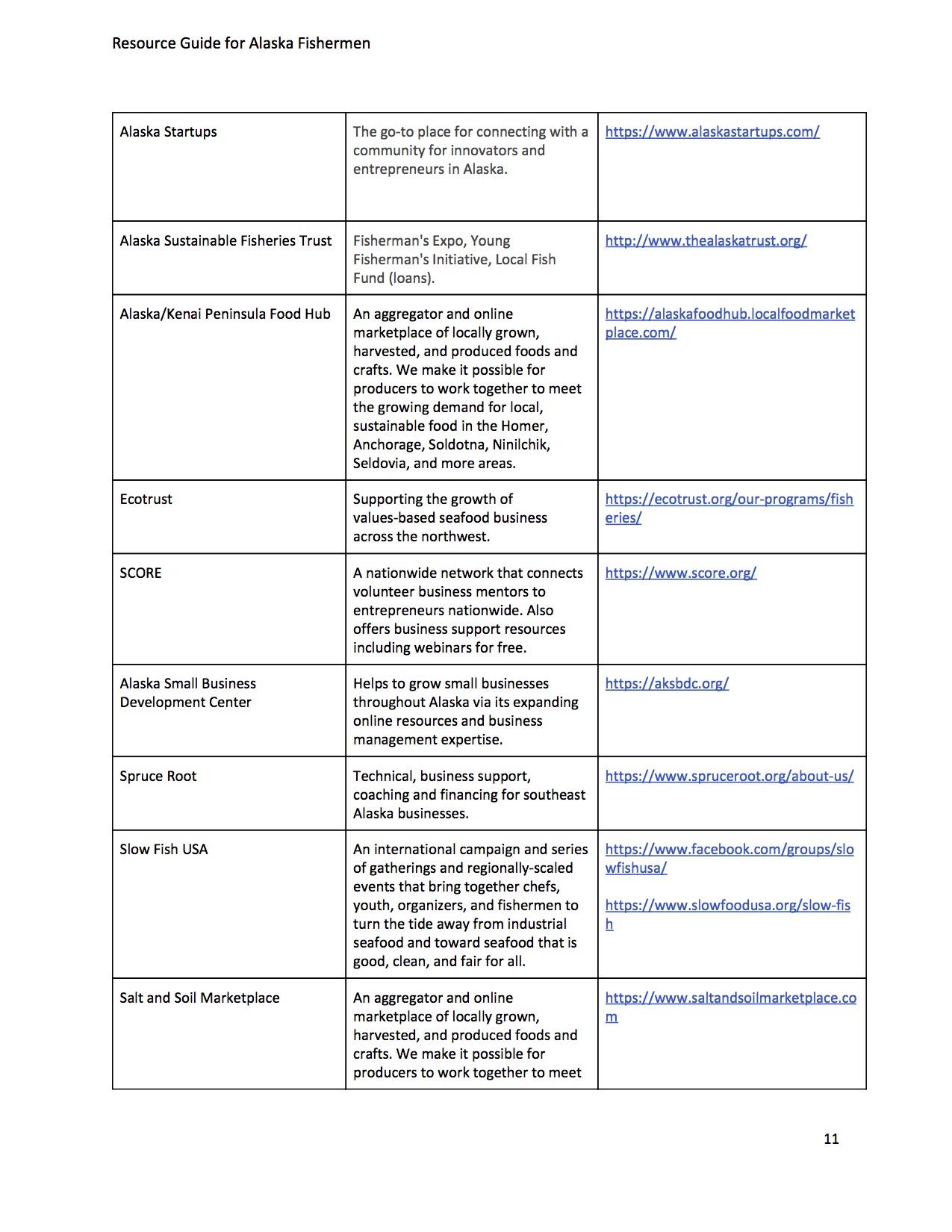
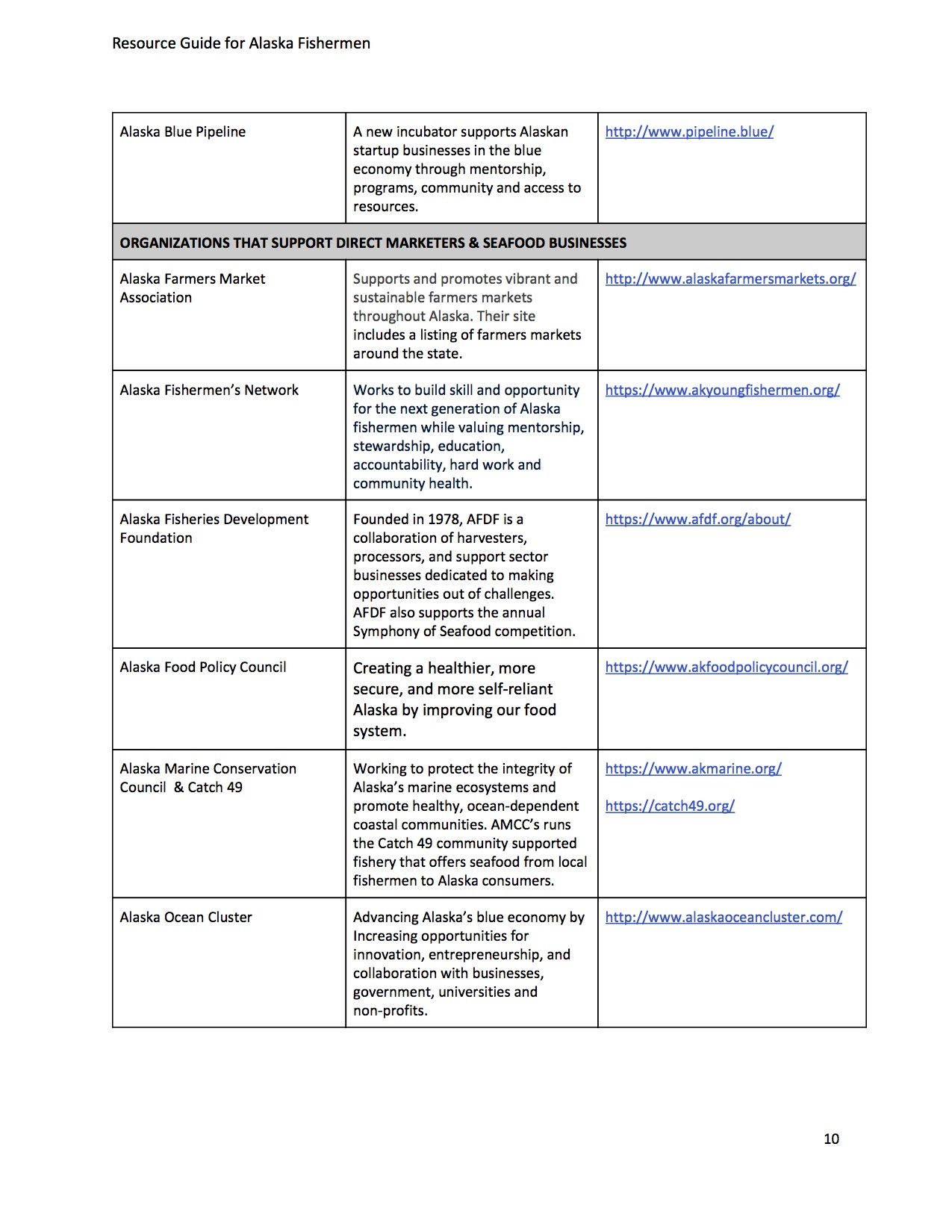
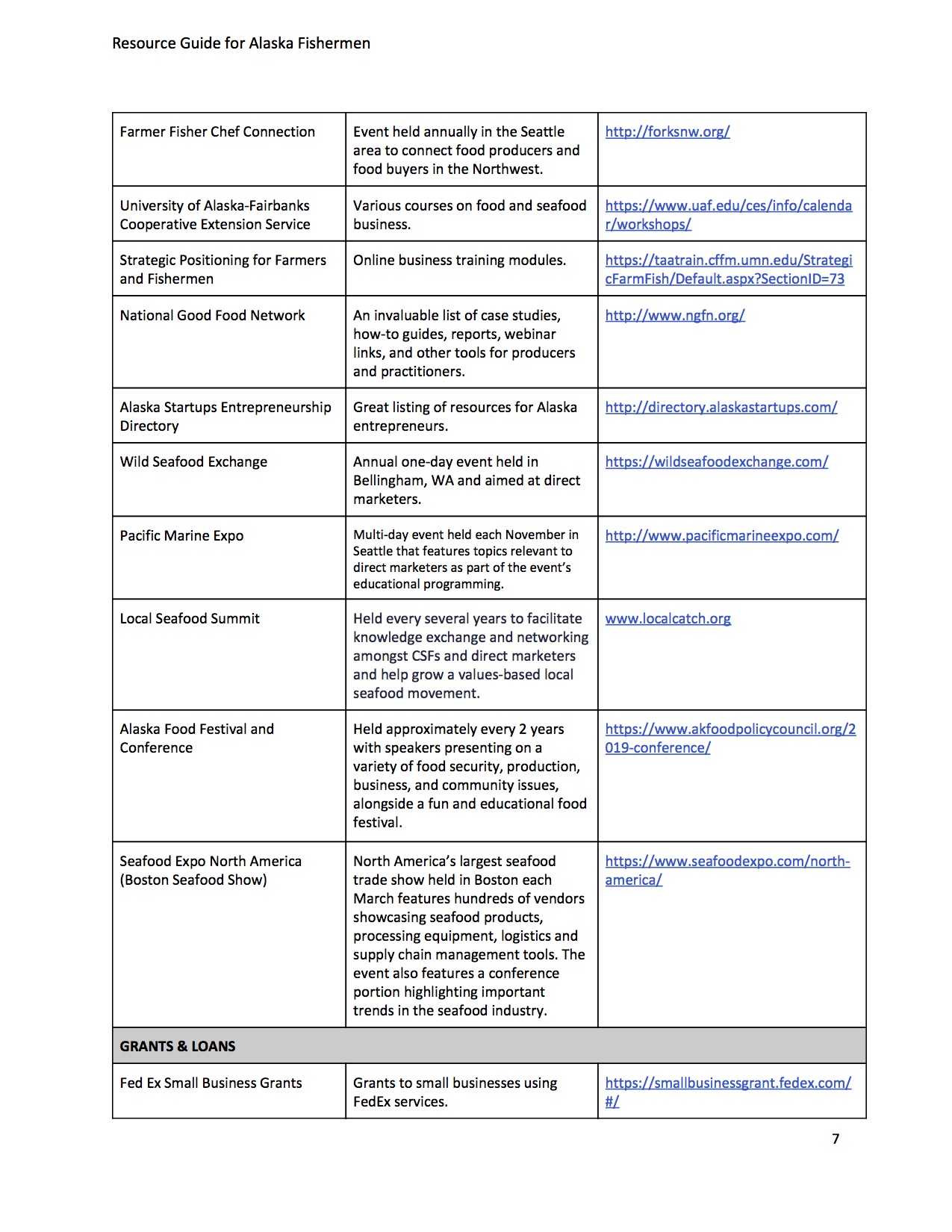
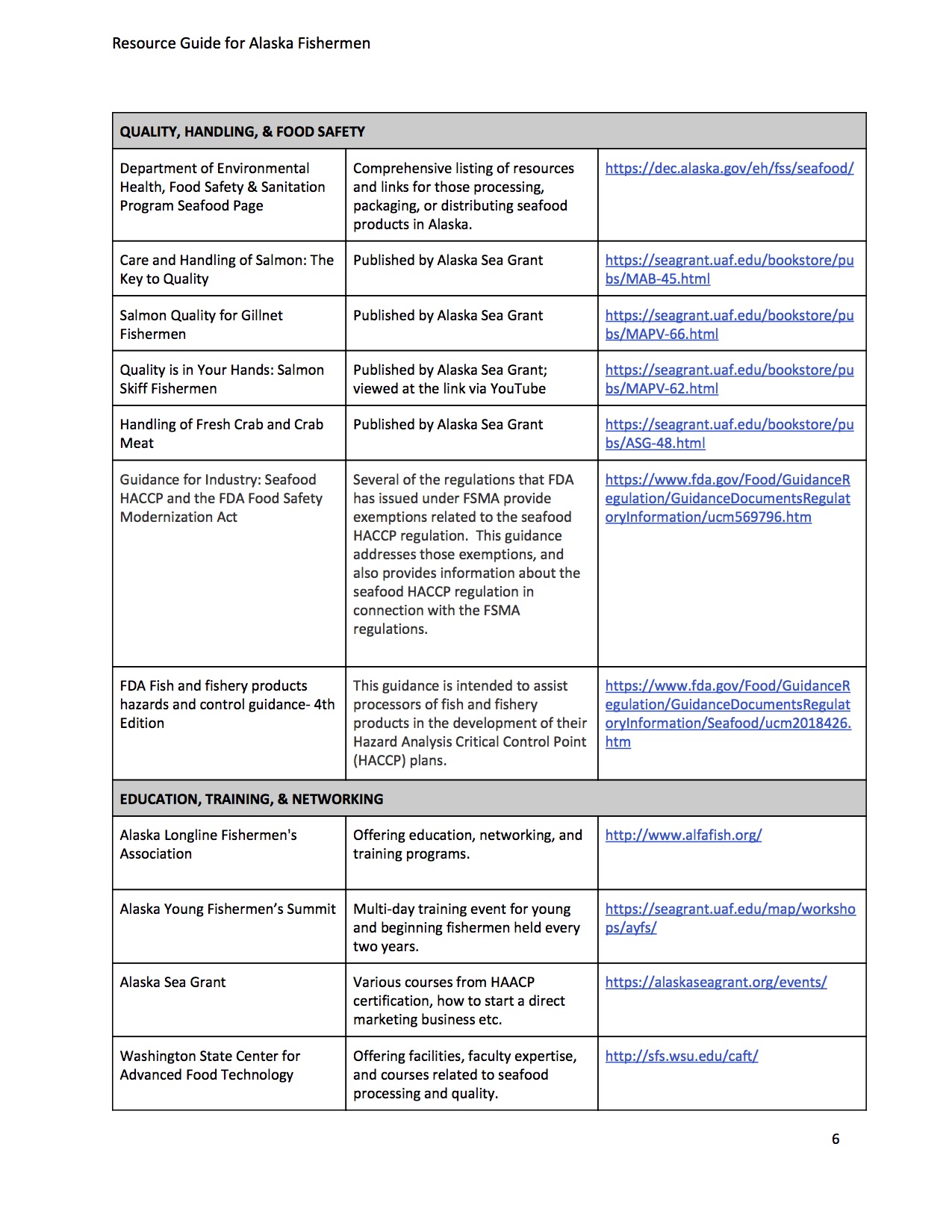
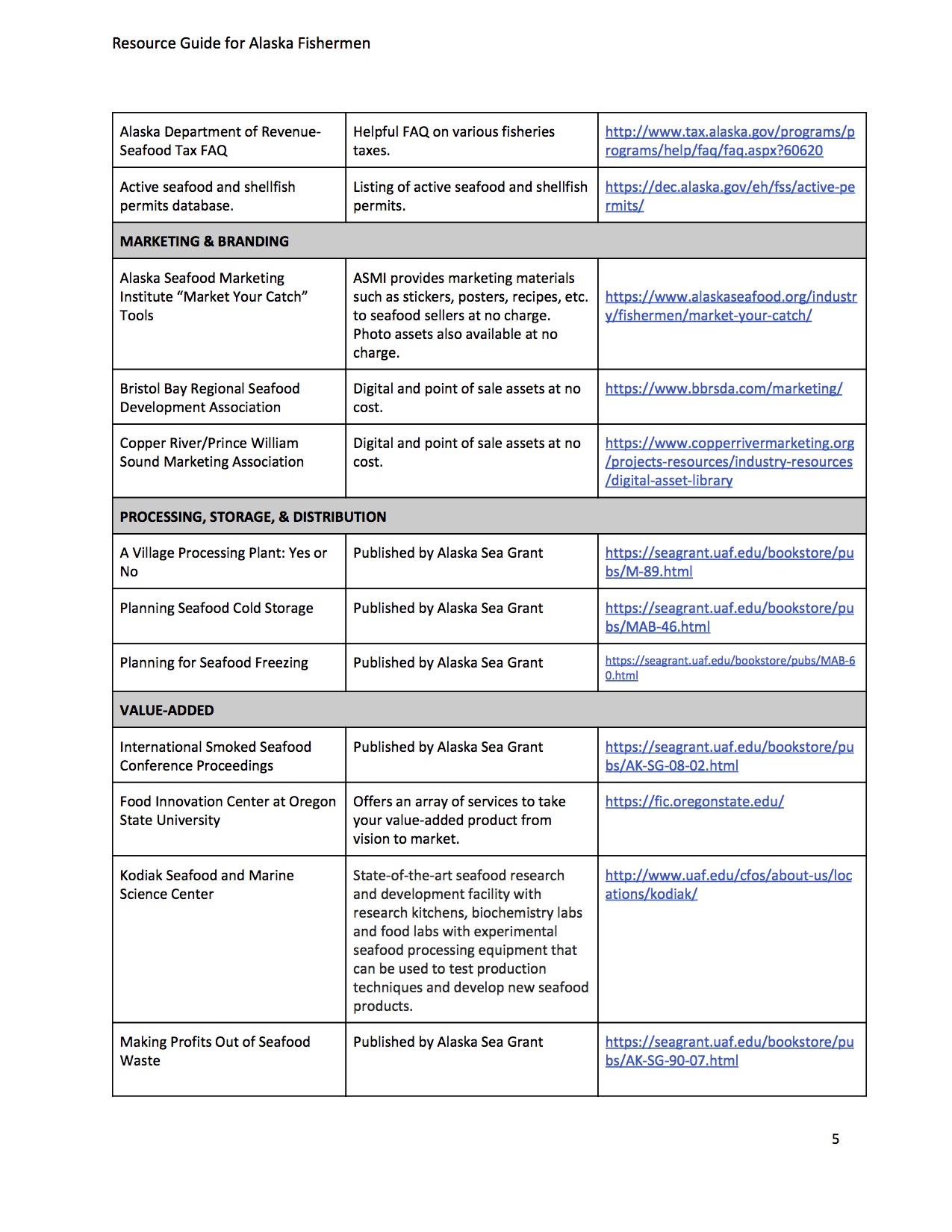
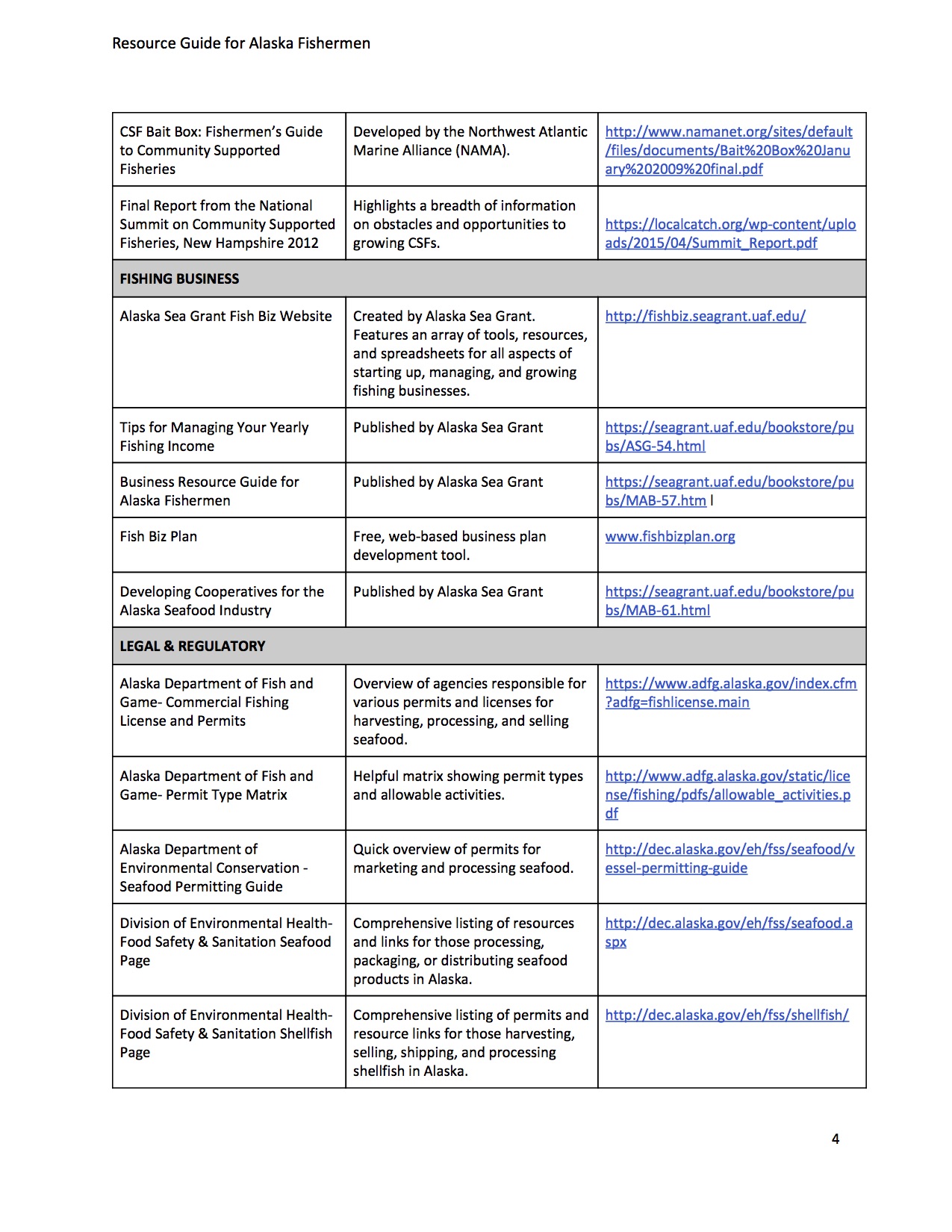
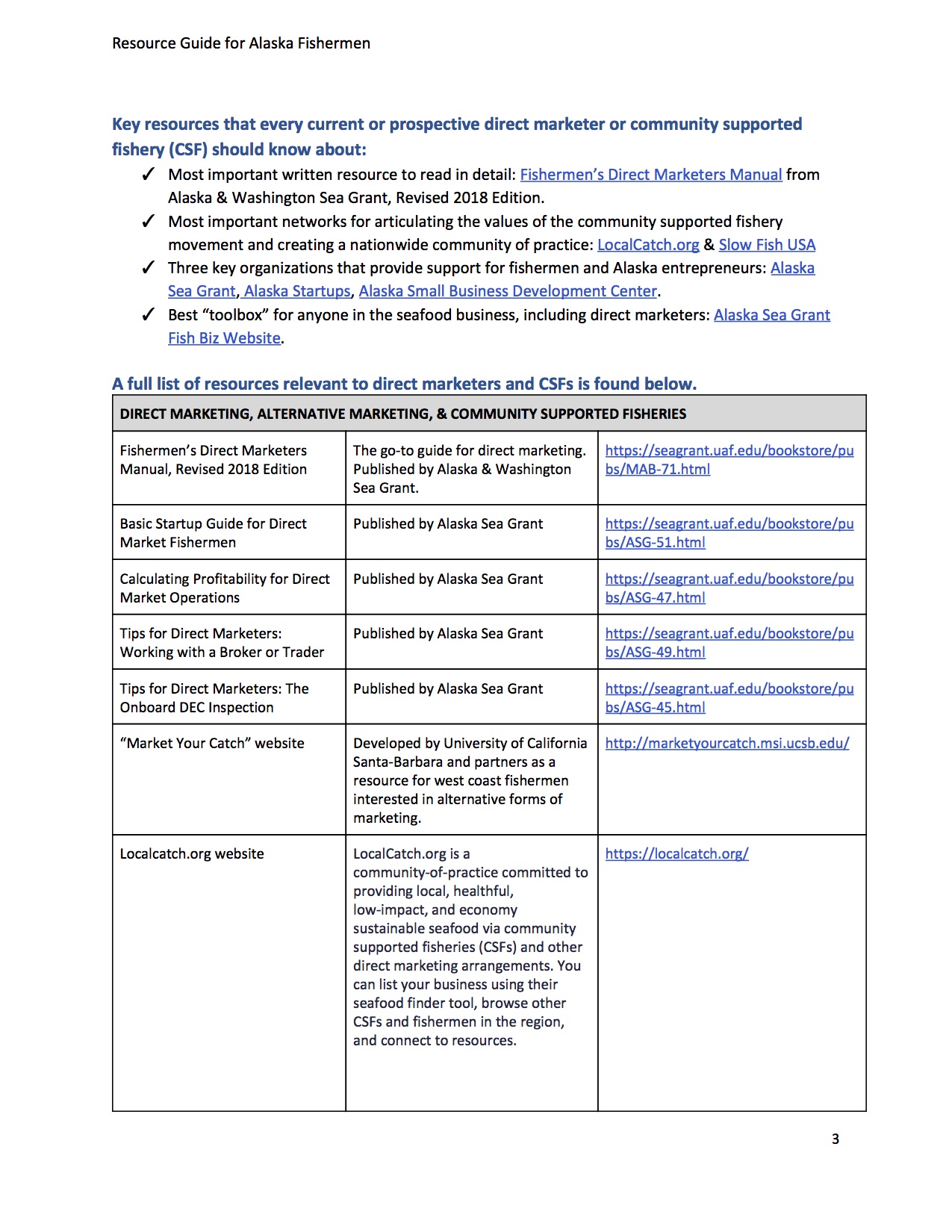
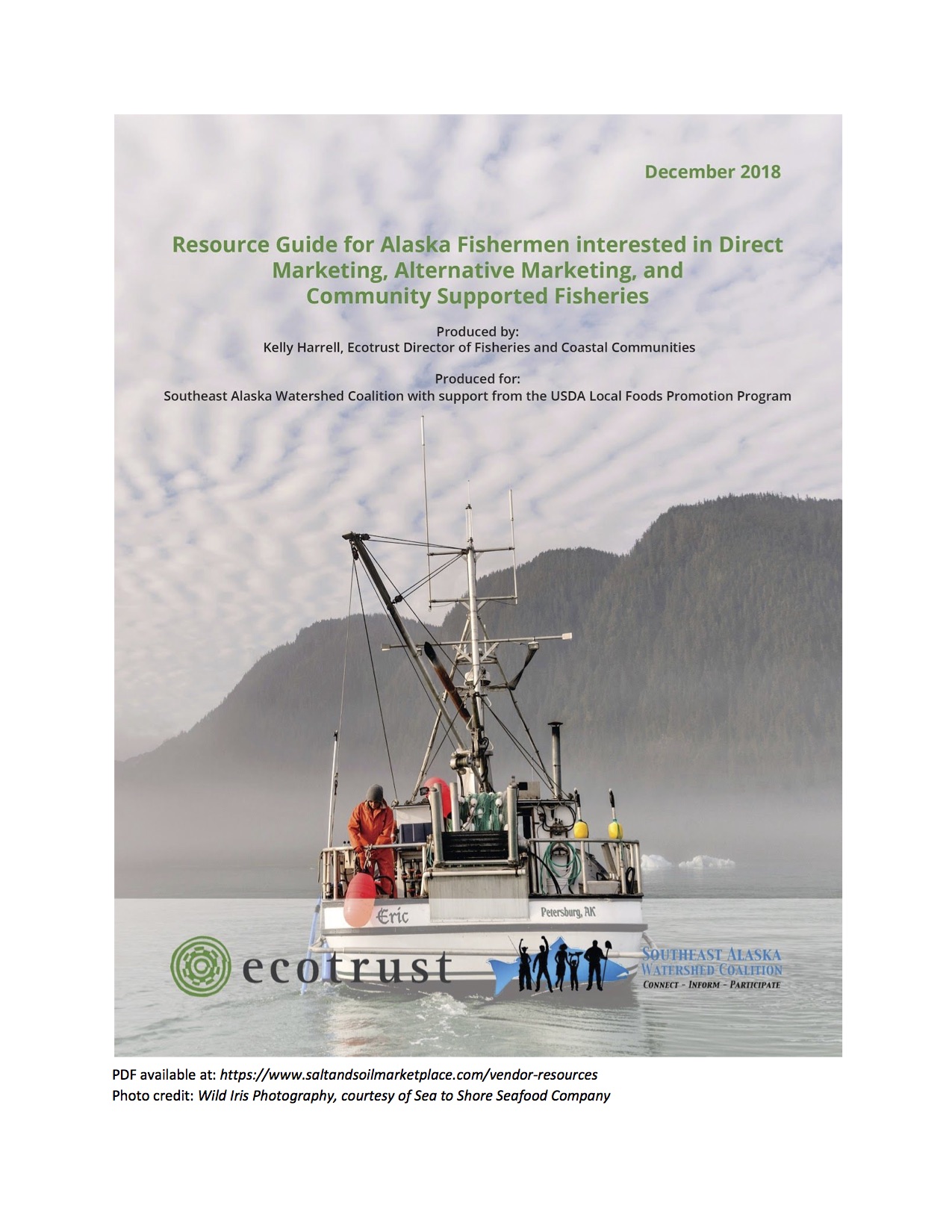
Jennifer Nu provided us with the Southeast Alaska Watershed Coalition and Ecotrust resource guide that acts as a direct market fishermen toolkit. This resource guide was developed to support fishermen interested in direct marketing, alternative marketing, or community supported fisheries (CSFs) in Alaska. It is intended to draw together a diverse array of information and tools that exist to help direct marketers/CSFs get started and succeed. This guide does not constitute an endorsement of any of the resources, organizations, agencies, businesses listed below.